


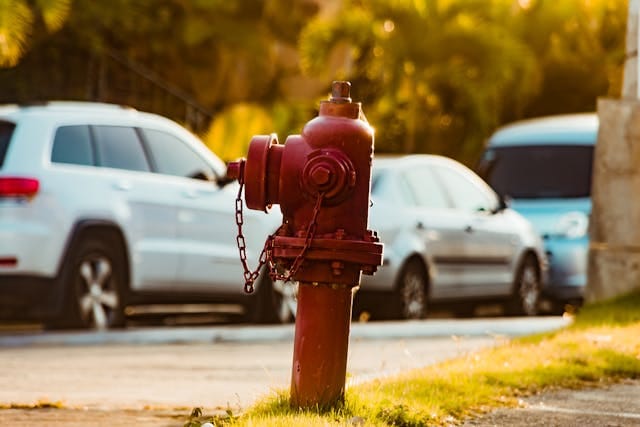
Fire hydrants are often overlooked, blending into the urban landscape, yet they are the unsung heroes of municipal fire suppression. When the Hampton Division of Fire & Rescue arrives at a scene, their immediate priority is to connect to a reliable water source. If the fire hydrant is frozen, corroded, or damaged, it can cripple their efforts and turn a manageable incident into a catastrophe. This is why strict fire hydrant inspection requirements are mandated by NFPA 25: Standard for the Inspection, Testing, and Maintenance of Water-Based Fire Protection Systems, and adopted by the Virginia Statewide Fire Prevention Code (VSFPC). For private hydrants on commercial properties, the responsibility for these crucial inspections falls directly on the property owner. At Sefirepro, we provide comprehensive inspection, testing, and maintenance services for private fire hydrants across Hampton Roads, ensuring they are always ready for action.
This guide will outline the critical fire hydrant inspection requirements, detailing the frequency and specific checks that must be performed to maintain compliance and assure functionality.
Public vs. Private Fire Hydrants
It’s important to distinguish between the two:
- Public Hydrants: Owned and maintained by the municipal water authority (e.g., Newport News Waterworks, City of Norfolk Utilities). Their maintenance schedule is managed by the city.
- Private Hydrants: Owned by the property owner, typically found on commercial, industrial, or multi-family residential properties. These hydrants are typically served by a private fire hydrant pump and connected to the building’s fire sprinkler installation. The property owner is legally responsible for their maintenance under NFPA 25.
This article primarily focuses on the fire hydrant inspection requirements for private hydrants.
The Critical Role of Fire Hydrant Inspections
A functional fire hydrant provides firefighters with the water volume and pressure necessary to fight a major structural fire. Without it, they are limited to the water carried on their apparatus, which is often insufficient. Regular inspections ensure:
- Immediate Availability: Hydrants are not obstructed and are ready for instant use.
- Proper Functionality: Valves operate correctly, and there’s no internal damage.
- Sufficient Flow: The hydrant can deliver the required water volume and pressure.
- Code Compliance: Avoids fines and liability for non-compliance with Hampton, Virginia fire codes.
